BACK
ROLE
Design Lead
CLIENT
Emburse
INDUSTRY
Financial Technology
PLATFORM(S)
DATES
Dec 2019 – Dec 2024
ENGAGEMENT TYPE
PROBLEM SPACE
SCOPE
Shared Library, Storybook, Governance
MEASURABLE
IMPACTS
55%
40%
Increase Product Parity
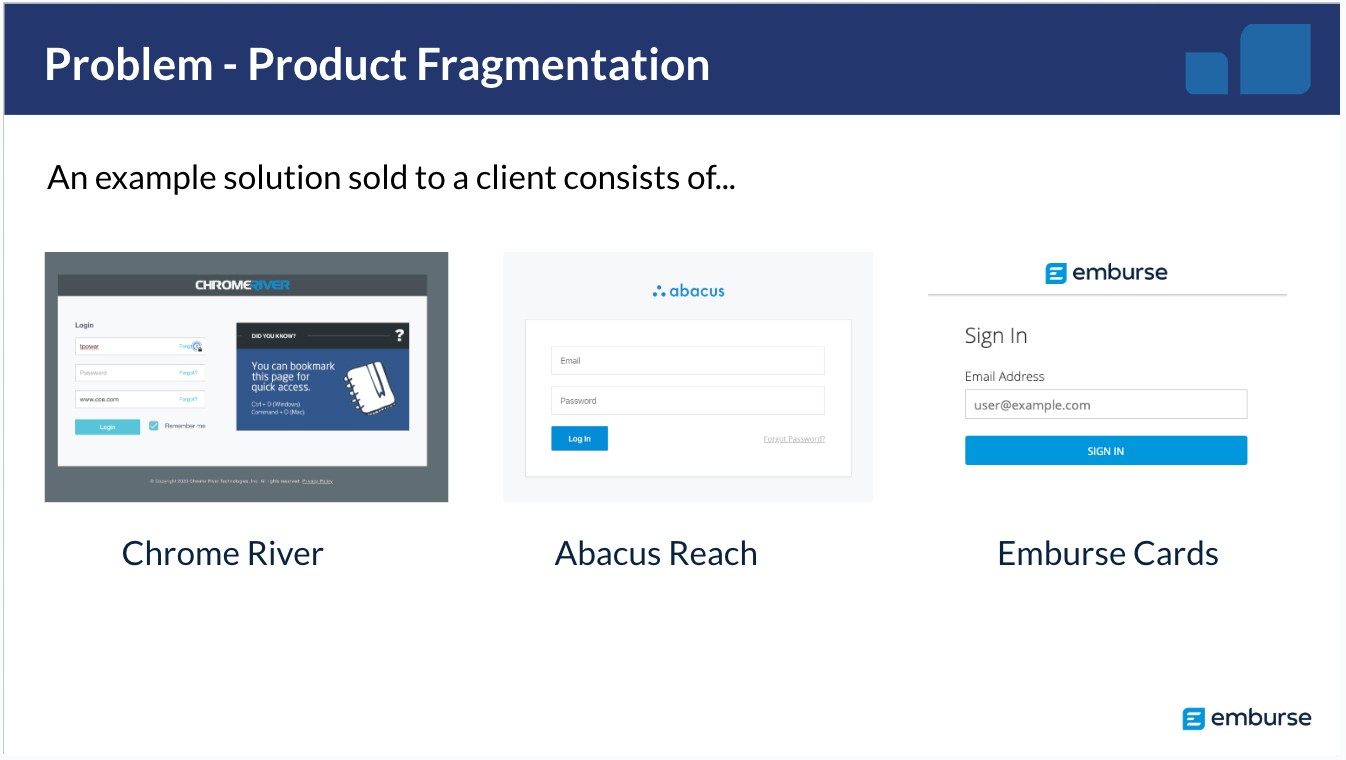
With the consolidation of six brands, our post-merger product suite lacked visual & function alignment. We knew we needed to align our code and design standards to guarantee our products delivered the same user experience.
Reduce Time-to-Market
Our development teams often did not share code with each other, resulting in similar things being implemented in different ways. This lack of build standardization impacted our ability to ship quickly and with quality.
I held many roles in the lifespan of the design system.
Founding Member
In 2019, I helped initiate the idea of development of a central design system.
First Follower
I was the first designer to use the system and iterate on foundational patterns & components.
Design Systems Lead
By 2023, I was appointed as design lead and matured the design system, working alongside product & engineering leaders.
I participated on a hackathon team and proposed creating a unified design framework. Following the hackathon, this project was approved & the design systems team was formed.
Assignments
The team was made up of one visual designer and two developers, which was enough to establish the basic elements.
Although I wasn’t part of the initial team, I was tasked with building the new company’s first product using the design system.
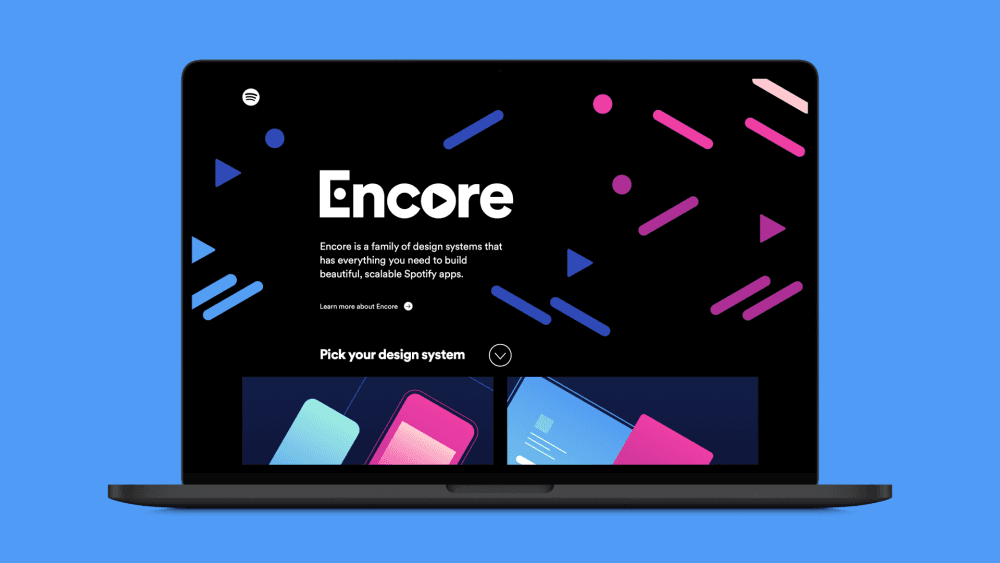
We researched design system best practices, read resources from Dan Mall, and referred to well-executed systems such as Spotify's Encore.
Next, in the interest of aligning to our own brand standards, we needed to come up with a name our design system. We thought that keeping the names tangentially aligned to the company name or inline with the type of work the company does.
This led to names like Paper Trail and Snap, but ultimately, we landed on Embark because it best represented a travel journey and reflected the new journey the company was on.
The initial design systems team was made up of one visual designer and two developers, which was enough to establish the basic elements. Embark was built out and managed in two ways — designers built patterns and components in Figma and developers built a React component library in Storybook.
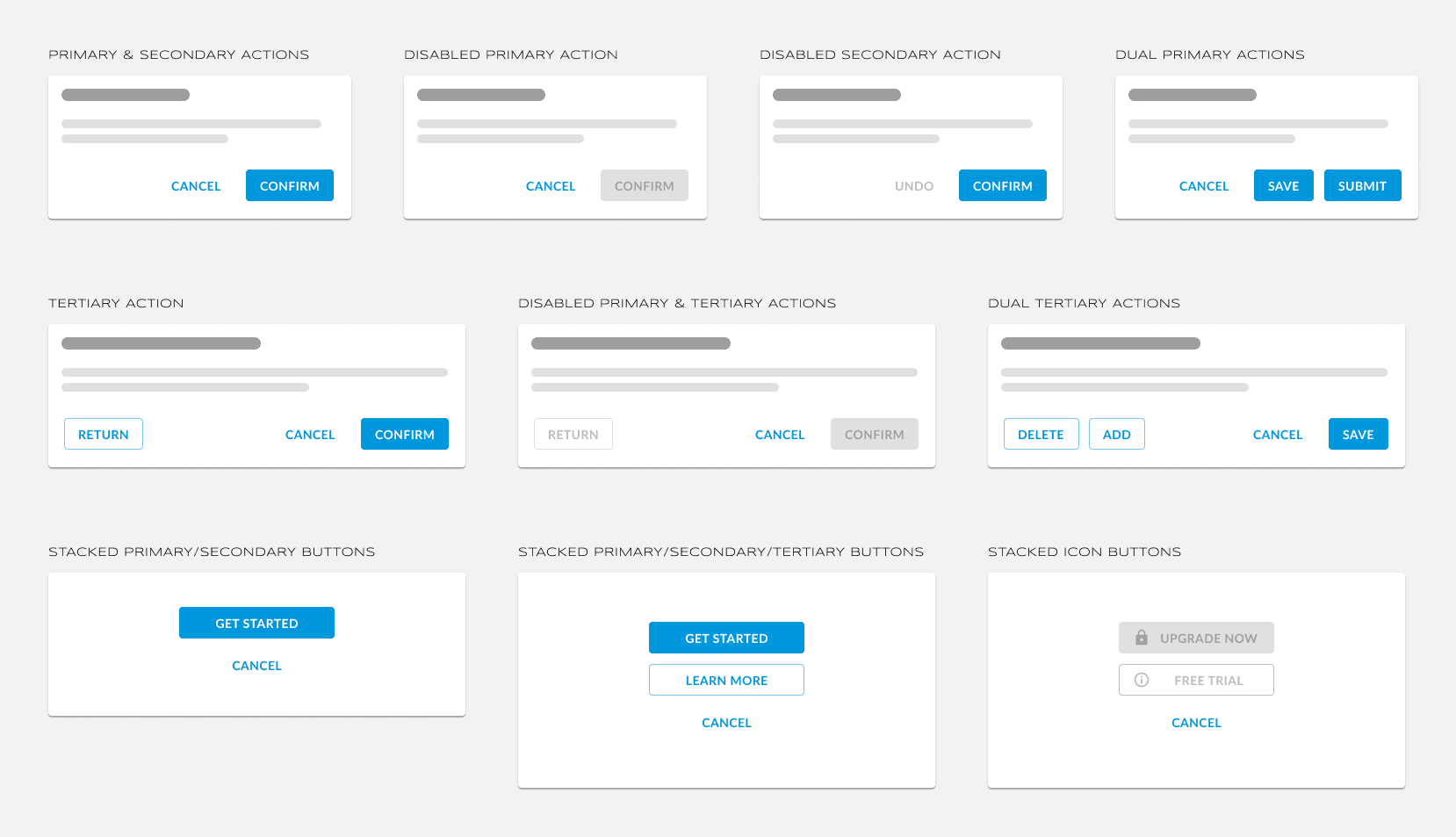
Enhancing the Design System
After taking over as Design Lead, I had to solve a problem around product awareness and user adoption. I conducted a listening tour and met with 16 stakeholders across several departments to understand what was working and what needed improvement. I compiled all of my findings and learned there were some issues with the design system that were prevented it from being used by teams across the company.
Preparing for Growth
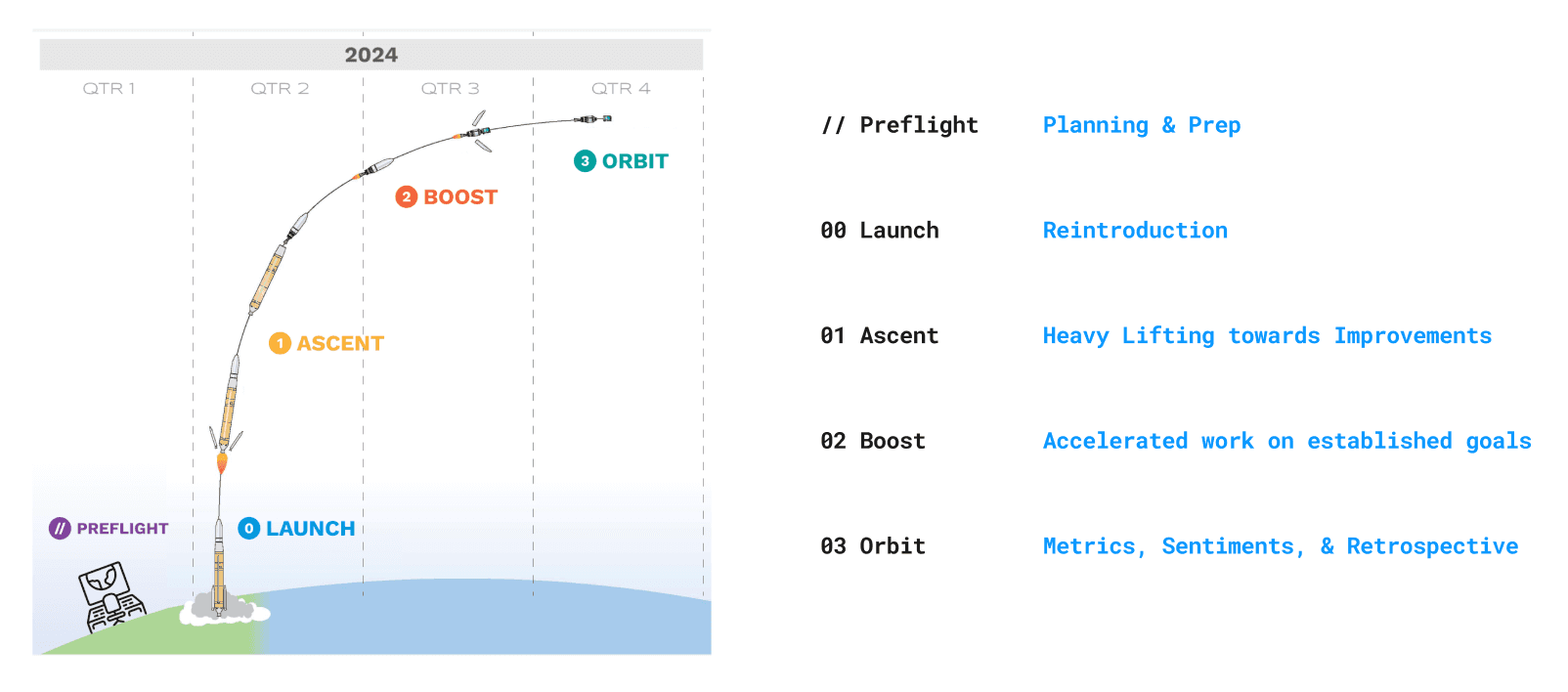
One of my first objectives was to establish a roadmap we could use to outline and measure the steps we would take to grow, relaunch, and scale the design system. I presented a timeline inspired and built around a space program, which I also began to merge into the Embark brand identity. I presented this to my Director and identified executive leaders who would be best to help sponsor this initiative.
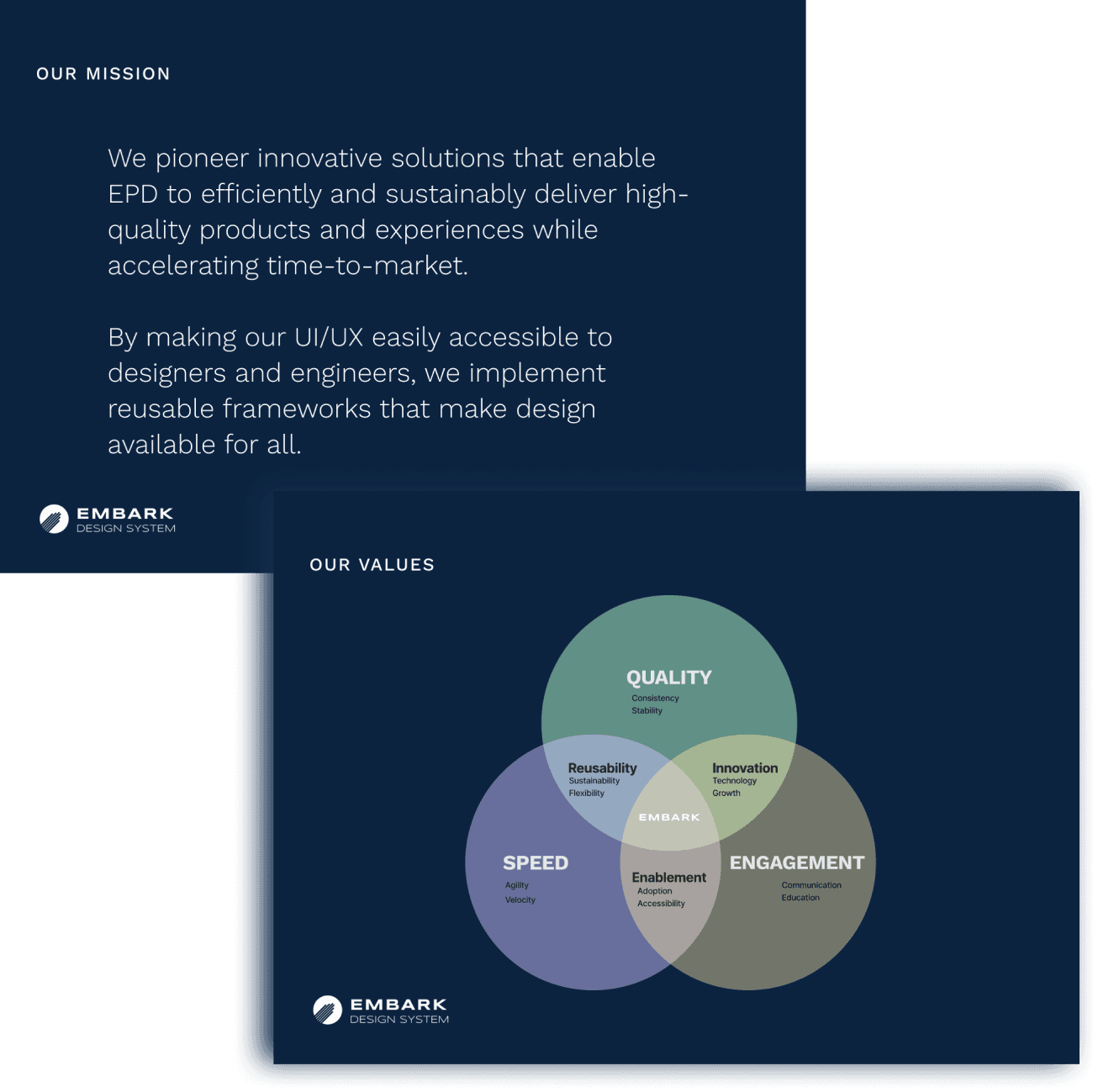
One of the biggest items that came out of the listening sessions was that Embark lacked clearly define objectives. I conducted Mission, Vision, and Value workshops with the design systems team to co-create these elements for us. We explored the meaning of design systems together and cataloged what meant the most to us all, and put it all into words.
What emerged was a stronger identity than we had ever had, and we were able to create artifacts to help us re-introduce ourselves to the company and the users we sought to empower.
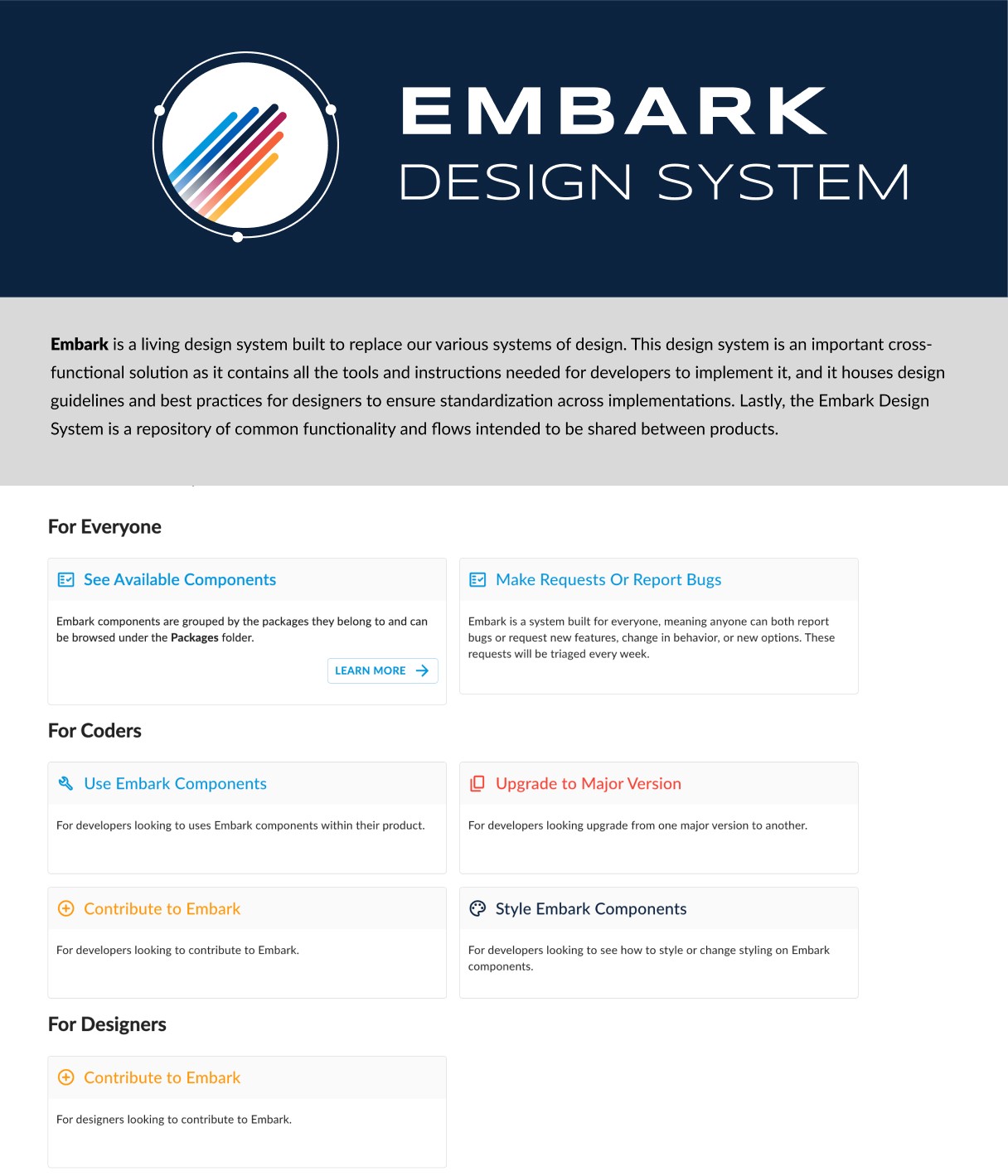
The Embark landing page in Storybook served as a unified platform to point any user in a helpful direction.